
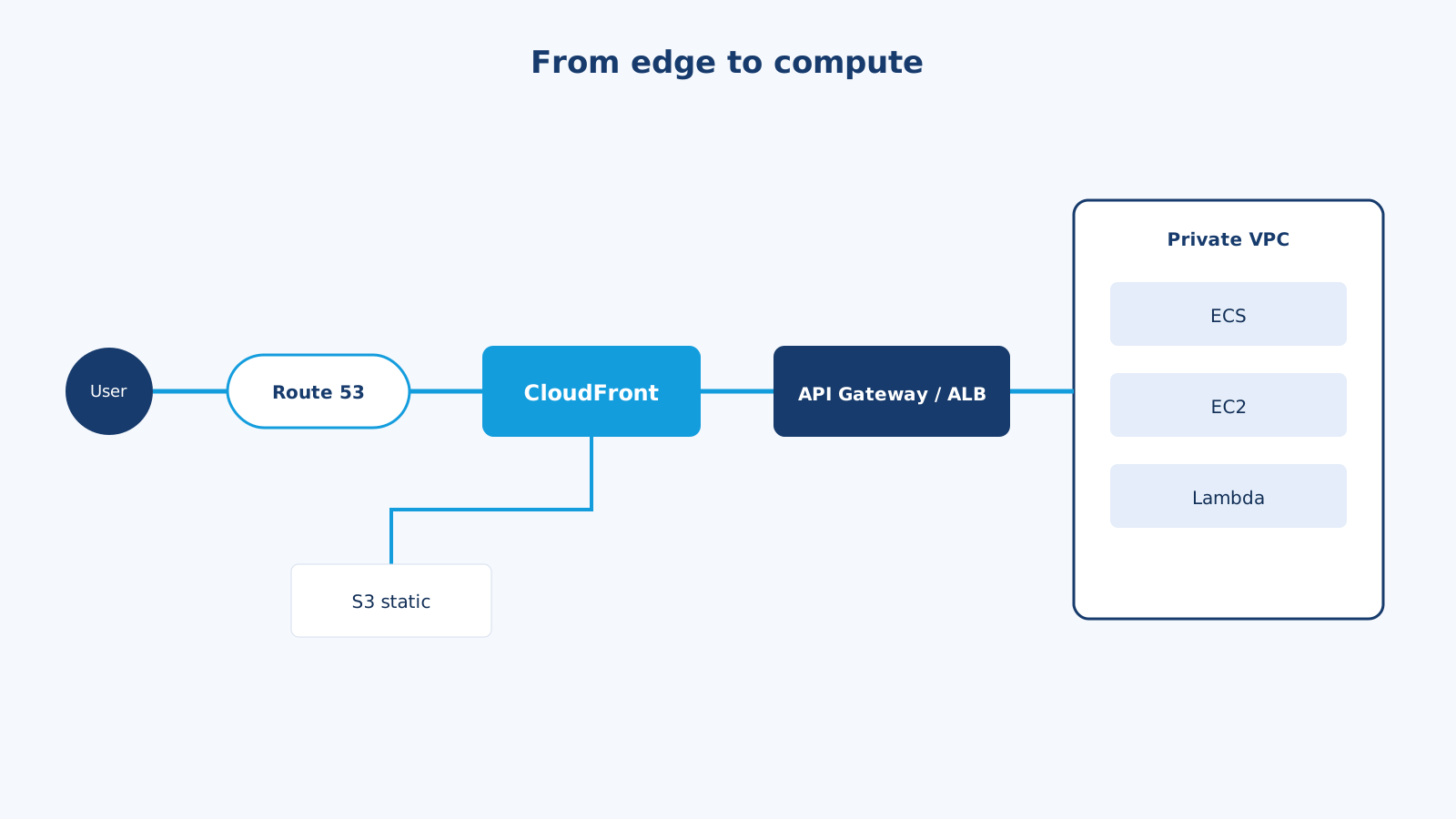
From a VPS to Real AWS: Route 53, CloudFront, API Gateway, and Compute
A single DigitalOcean box is a valid architecture. A full AWS path is a different one. I compare user → DNS → CDN → API → ECS/EC2/Lambda and say when each hop earns its keep.
Working notes on tools and tradeoffs I keep returning to: AWS, auth, messaging, and the layer in front of an app. I still open them when I have to choose again.
No posts in this category yet.
A single DigitalOcean box is a valid architecture. A full AWS path is a different one. I compare user → DNS → CDN → API → ECS/EC2/Lambda and say when each hop earns its keep.
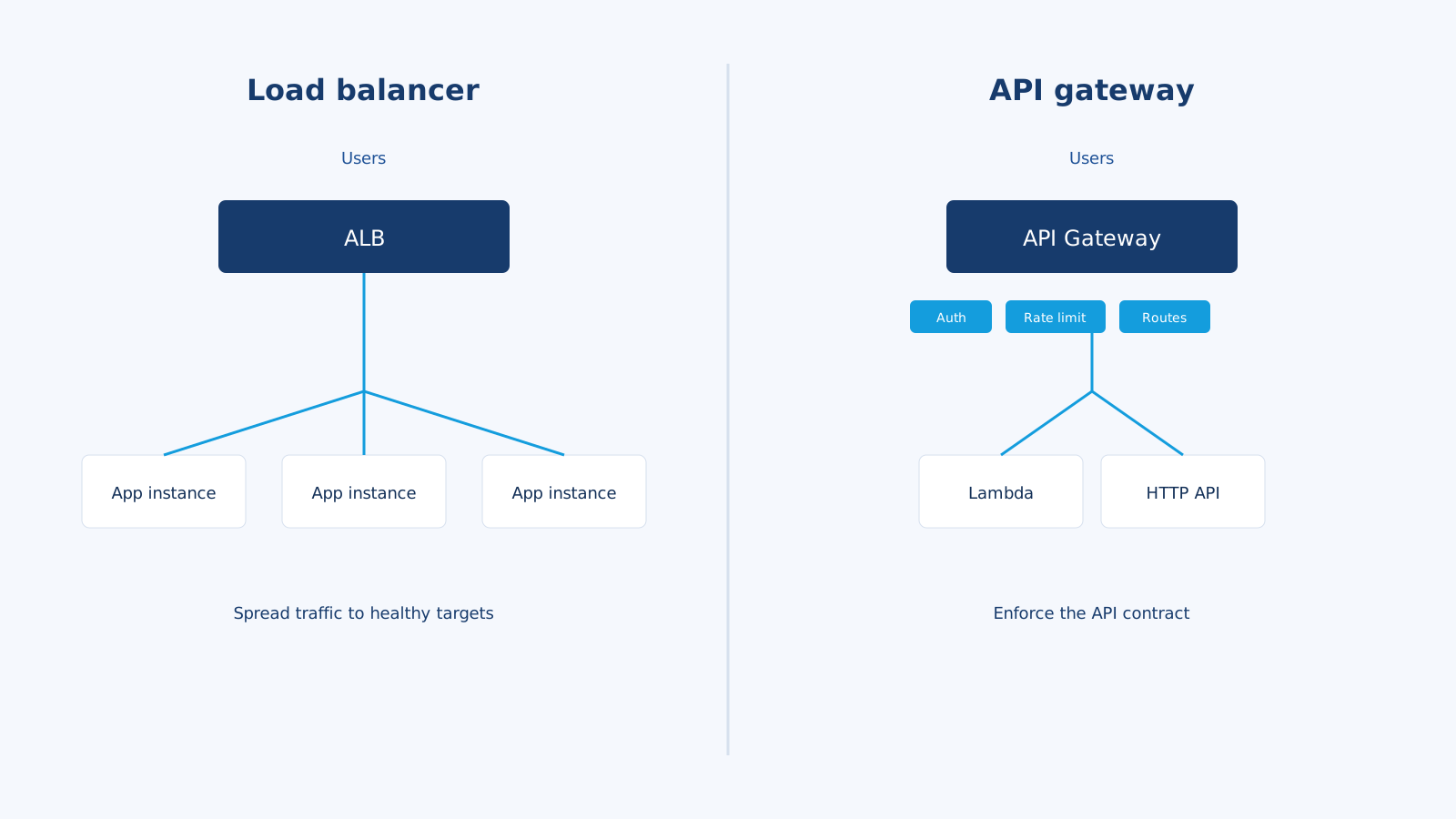
An ALB spreads traffic. An API gateway enforces the contract of an API. Here is when I use CloudFront, API Gateway, ALB, and NLB — and when stacking all of them is waste.
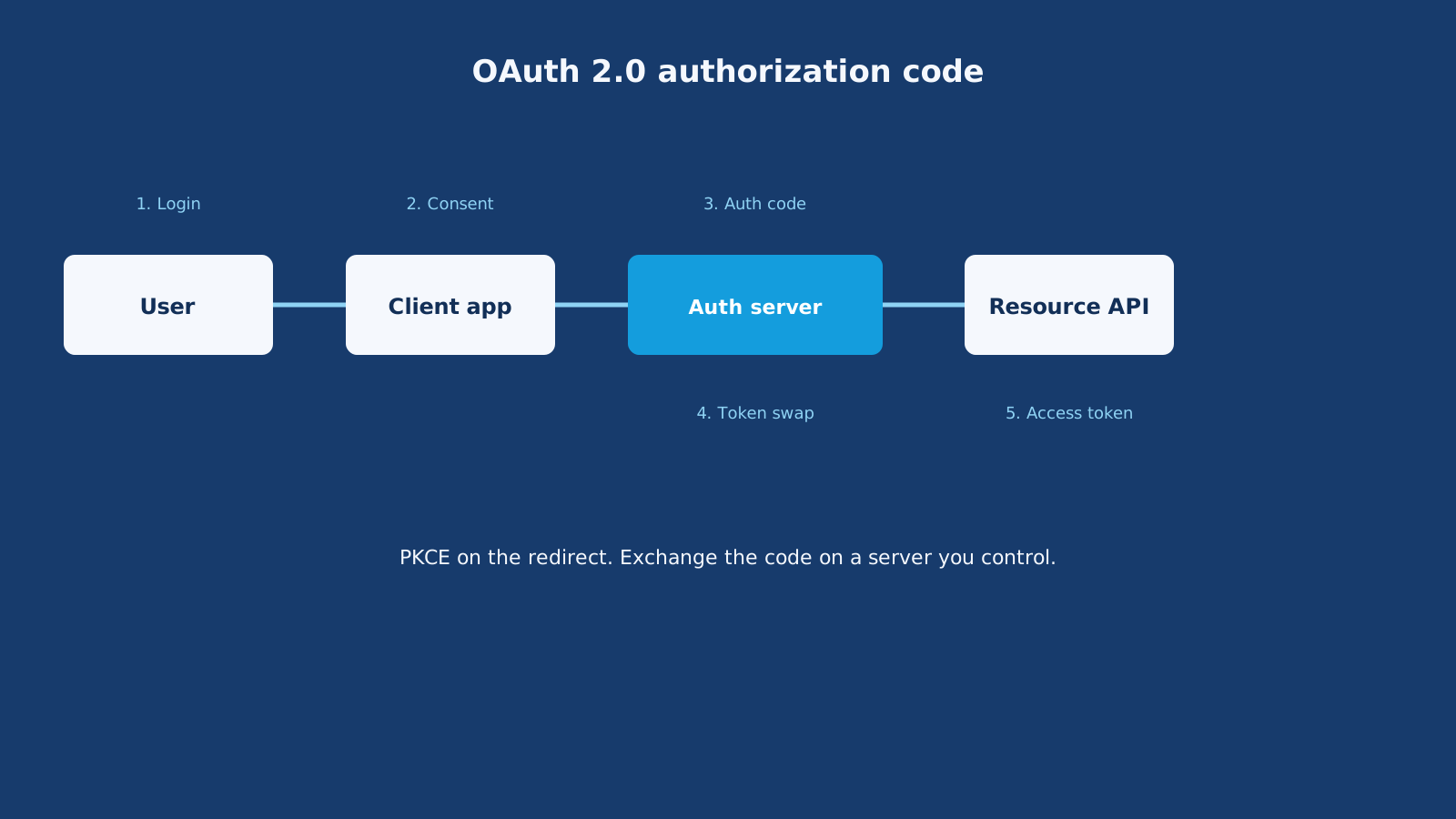
OAuth 2.0 is delegated authorization, not a magic login. I walk through authorization code, PKCE, client credentials, refresh tokens, and the mistakes that leak accounts.
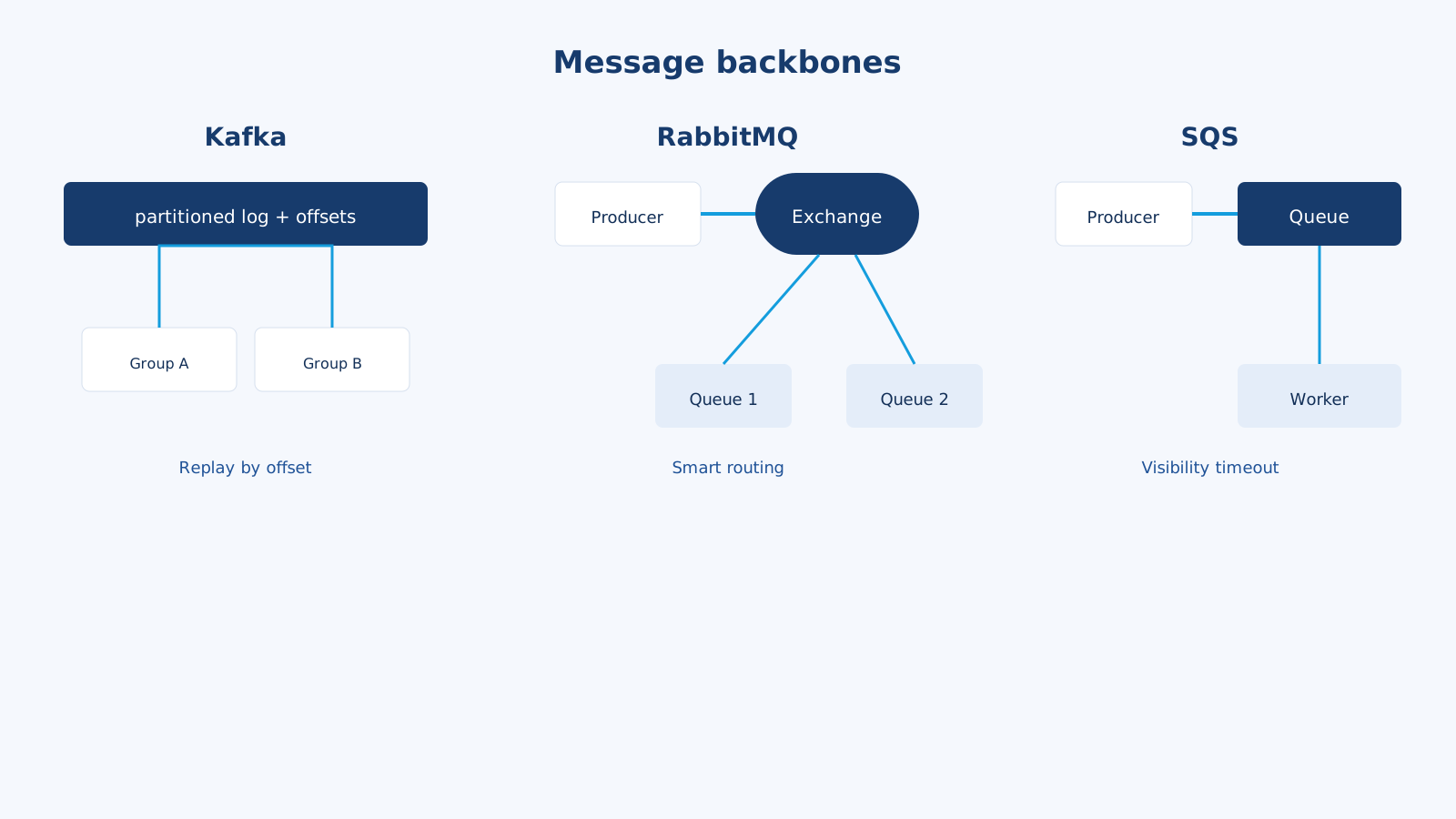
A log, a broker, and a managed queue are not the same product. Here is how I choose between Kafka, RabbitMQ, and SQS when emails, payments, and event streams hit production.
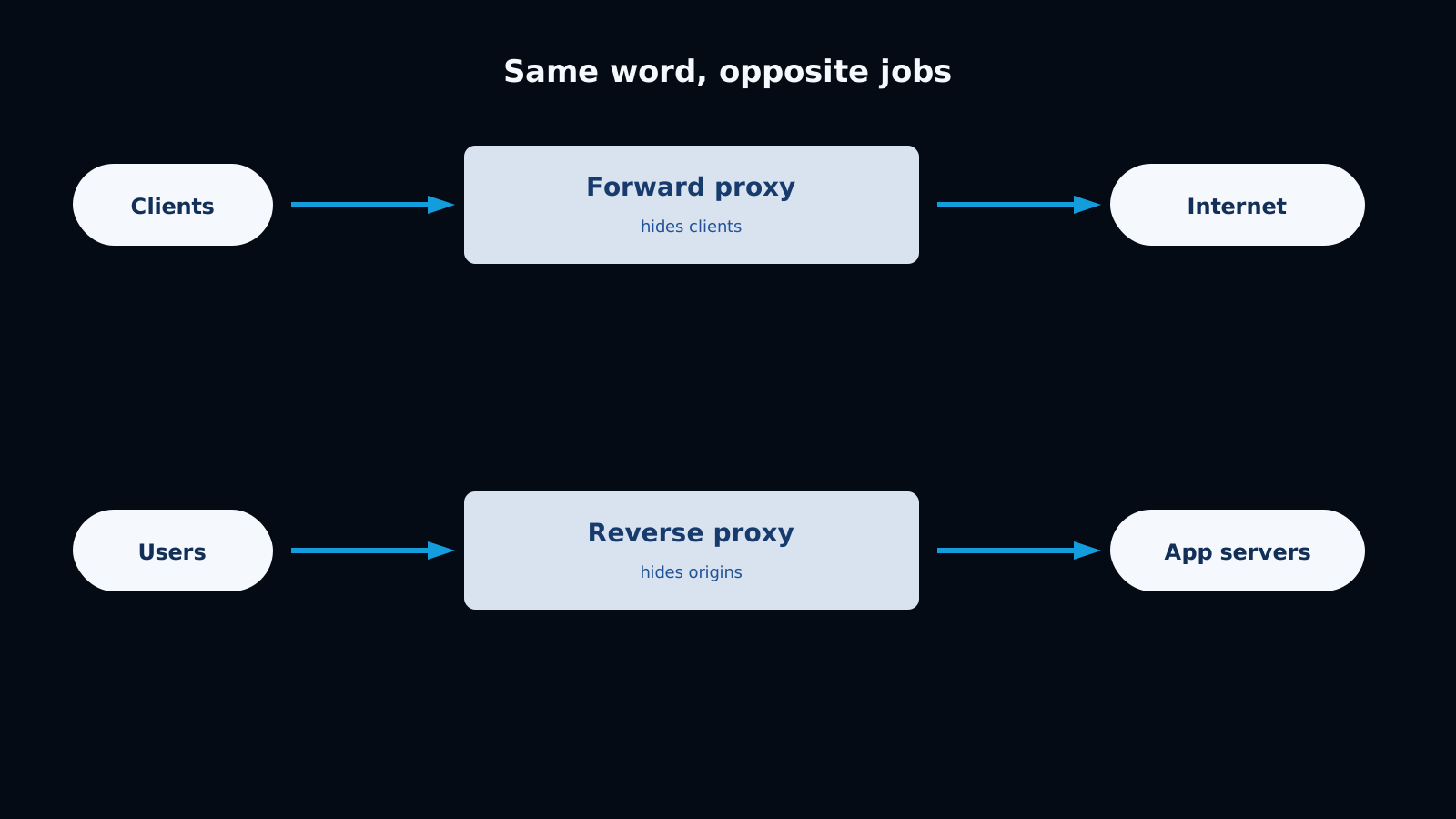
A forward proxy hides clients. A reverse proxy hides servers. Nginx, Cloudflare, Squid, and an office firewall all make more sense once that arrow is clear.
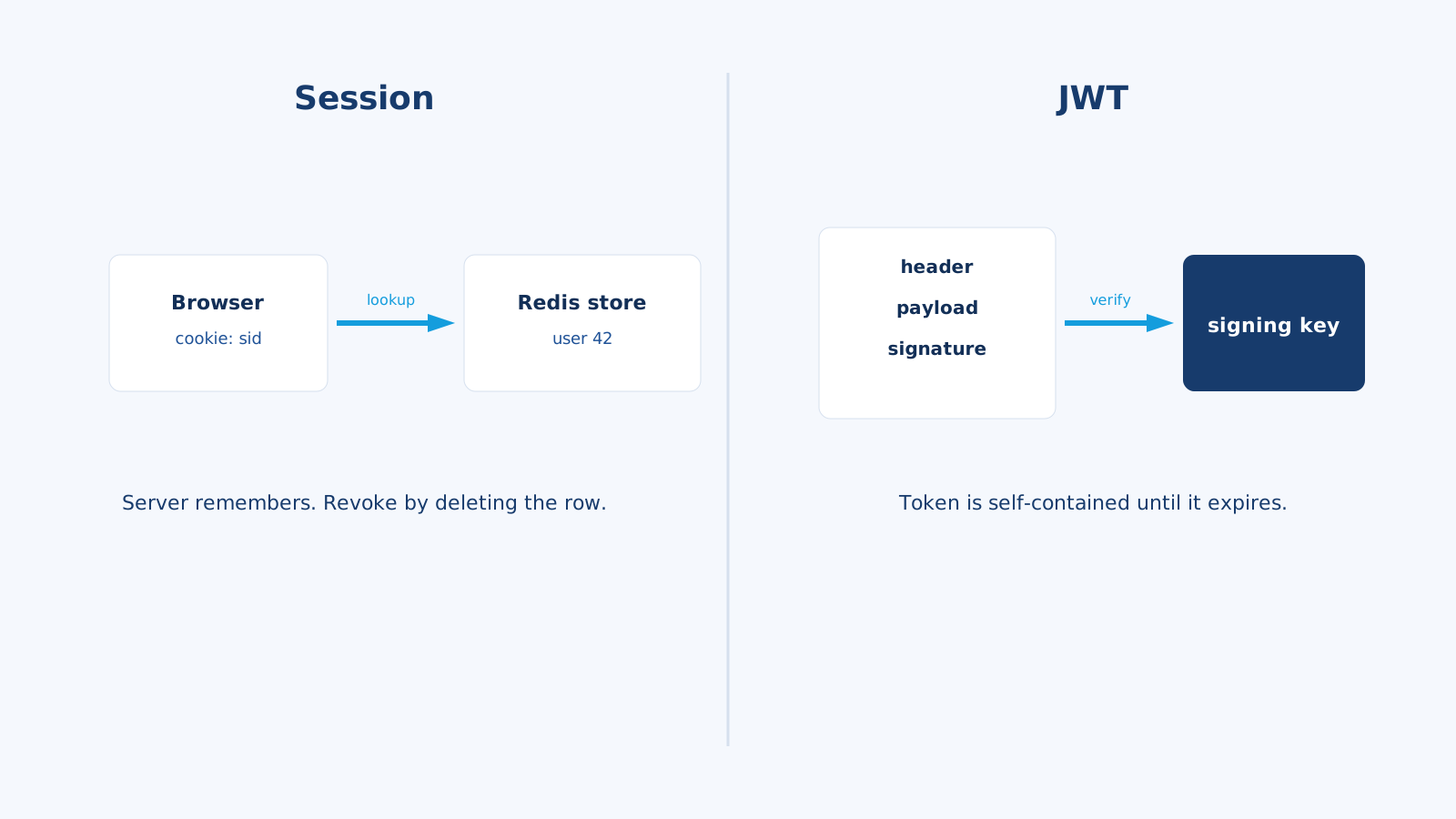
Server sessions and JWTs both keep a user logged in. The difference is who remembers the login, how you revoke it, and what breaks when you add a second API server.
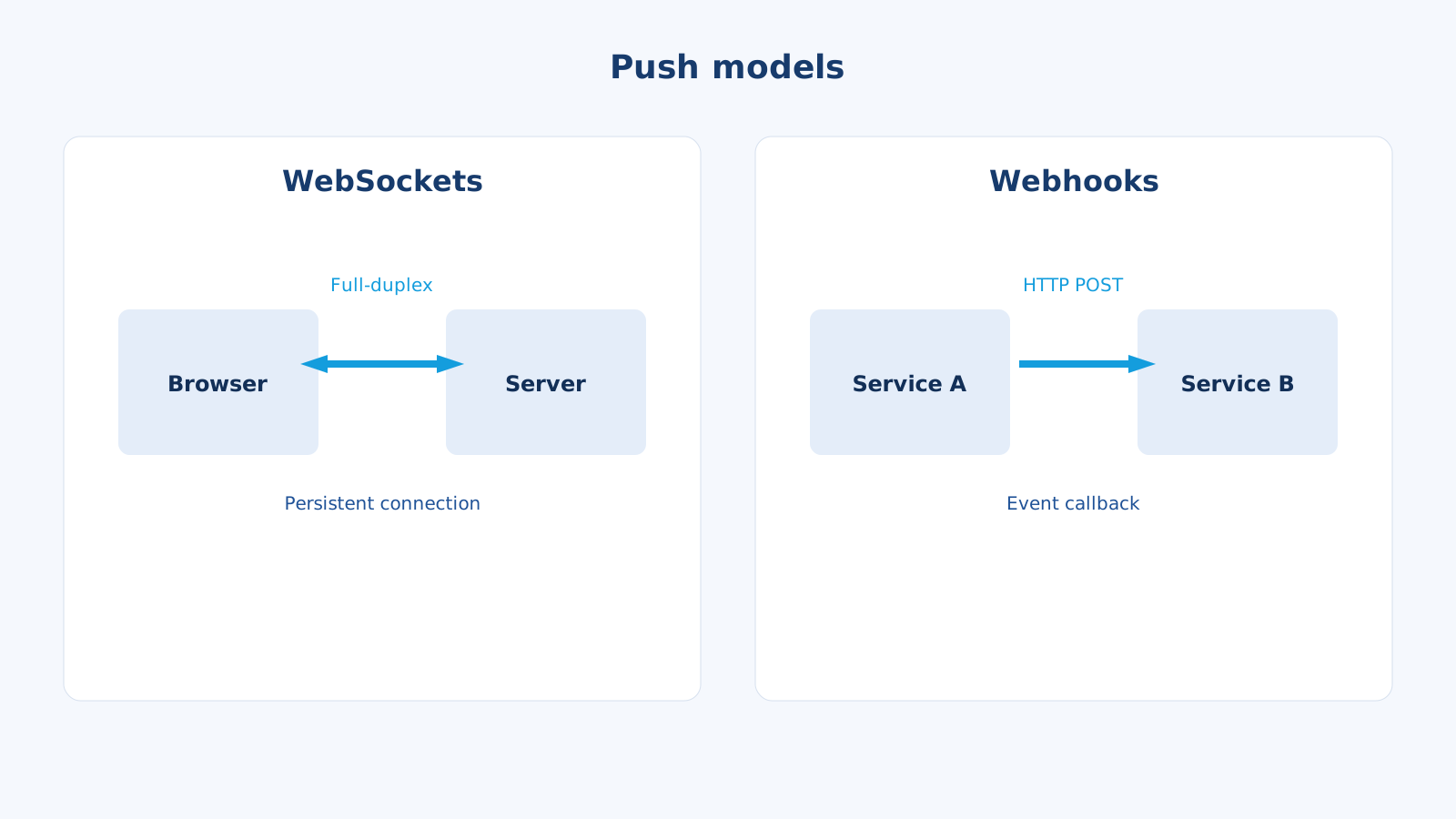
When a payment, a WhatsApp message, or a live dashboard needs an update, the choice is usually WebSocket or webhook. Here is how I pick, scale, and fail each one.